Aug
Vietnamese star anise is more than a spice commodity. For international buyers, origin, crop condition, drying, grading and packing all influence the appearance and consistency of the final shipment.
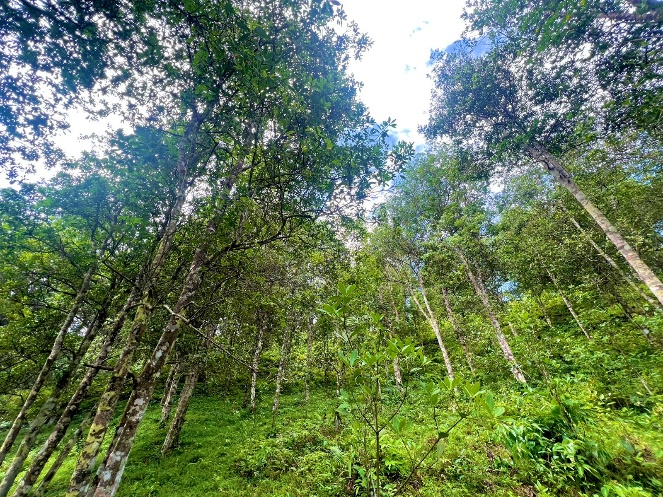
Viet Lam Global is based in Lang Son, one of Vietnam’s best-known star anise growing areas. Our sourcing approach begins close to the raw material and follows the product through harvest, processing, grading, packing and shipment.
Why Lang Son Matters
Star anise is closely associated with the mountainous northern provinces of Vietnam. Public trade reporting has identified Lang Son and Cao Bang as the country’s main star anise production areas. Being located near the source allows exporters to follow crop development more closely and communicate real-time information about availability and grade to buyers.
For a B2B buyer, this proximity matters because agricultural products are naturally affected by season, maturity, weather and post-harvest handling. Direct access to the growing region helps shorten the sourcing chain and improves communication between growers, processors, exporters and customers.
From Harvest to Drying
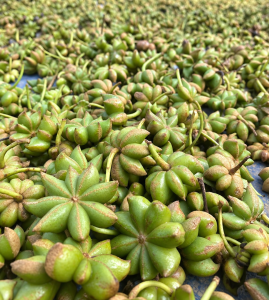
Star anise is harvested when the fruit reaches the appropriate maturity for the crop. After collection, the product is dried to reduce moisture and stabilise it for storage and export. Careful drying also helps maintain the natural colour, aroma and star shape that commercial buyers expect.
At this stage, the raw material may contain different flower sizes, closed petals, broken pieces or stems. The next step is therefore sorting and grading according to the commercial specification requested by the buyer.
Understanding Commercial Grades
Viet Lam Global supplies star anise in several commercial grades, including Autumn Crop Whole, Spring Crop Whole, Autumn Crop Closed Petal and Spring Crop Closed Petal. The exact appearance and availability depend on the crop and the agreed specification.
For many orders, common reference parameters include moisture of maximum 13%, broken ratio of maximum 10%, and export packing of 5–10 kg per carton. Final specifications are always confirmed for each transaction.
Why India Is an Important Market
India has been one of the most important destinations for Vietnamese star anise. Vietnam News reported that in April 2024, India accounted for nearly 70% of Vietnam’s monthly star anise export volume. The same report noted that Vietnam had about 40,000 hectares of star anise growing area, mainly in Lang Son and Cao Bang.
For suppliers in northern Vietnam, the India market is therefore highly relevant. Buyers commonly compare crop, flower shape, broken ratio, moisture, packing and landed cost before placing container orders.
From Growing Region to Buyer
Viet Lam Global’s role is to connect these stages into one commercial supply flow: growing region, harvest, drying and processing, grading, packing, export documentation and shipment.
This is the idea behind our brand message: From Growing Regions to Global Buyers. International customers can send us their required grade, quantity, packing and destination port, and we will prepare a quotation based on current crop availability and logistics.
Final Thought
For star anise buyers, the product starts long before the carton is packed. Understanding the origin and controlling each stage of preparation creates a stronger foundation for consistent B2B supply.